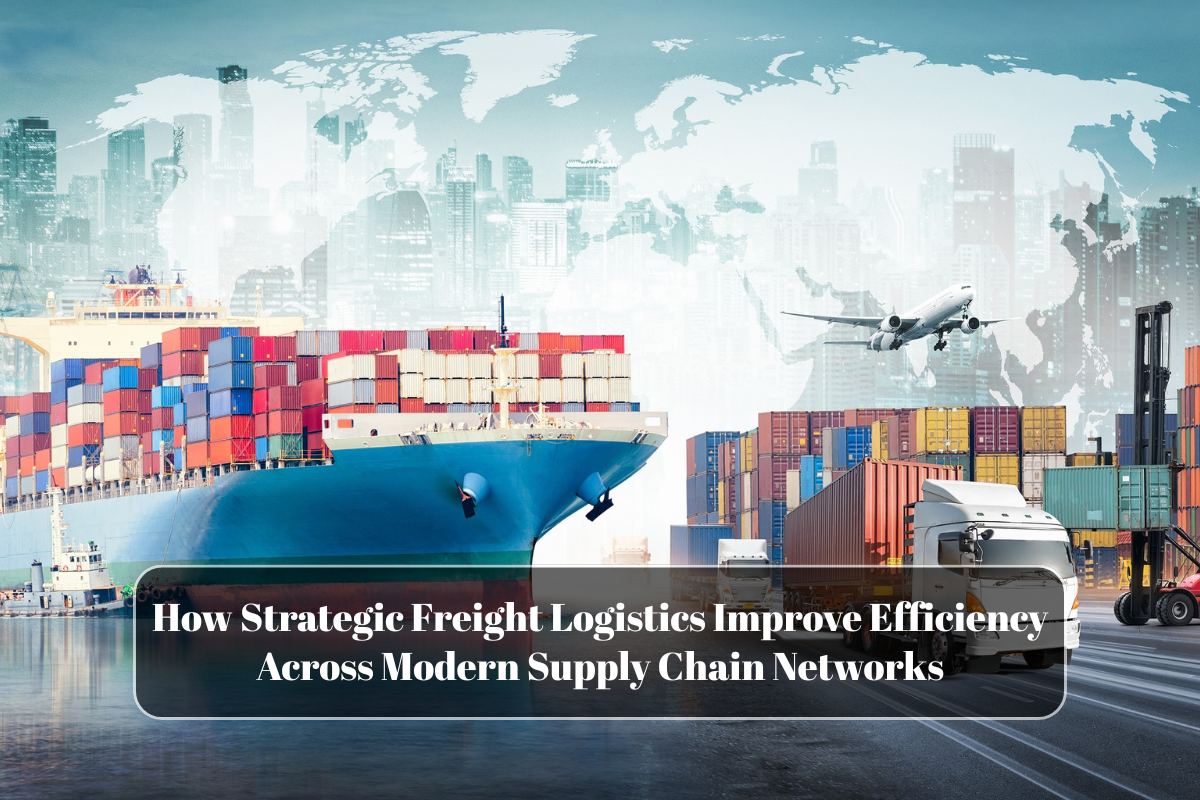
Strategic freight logistics optimize U.S. supply chains handling 72% of freight by truck, slashing costs by 20-40% through AI forecasting and route tools amid $2.3 trillion annual logistics spend. DOT’s 2025 National Freight Strategic Plan emphasizes safety, infrastructure, and innovation for resilient networks connecting producers to consumers nationwide. These strategies counter disruptions like port congestion, boosting on-time rates and competitiveness.
AI-Powered Demand Forecasting
AI analyzes historical data, trends, and externalities like weather to predict demand accurately, reducing holding costs by 20% and preventing stockouts. ML automates inventory allocation, enabling just-in-time stocking that minimizes waste in volatile markets. U.S. firms report improved fulfillment, aligning production with real needs across multimodal systems.
Route Optimization and Real-Time Tracking
AI tools process traffic, weather, and priorities for dynamic routing, lifting on-time deliveries by 40% while cutting fuel expenses. IoT sensors monitor containers for temperature, humidity, and location, providing end-to-end visibility to preempt delays. This integrates with DOT’s goals for seamless intermodal connectivity, from rail to last-mile trucking.
Warehouse Automation for Speed
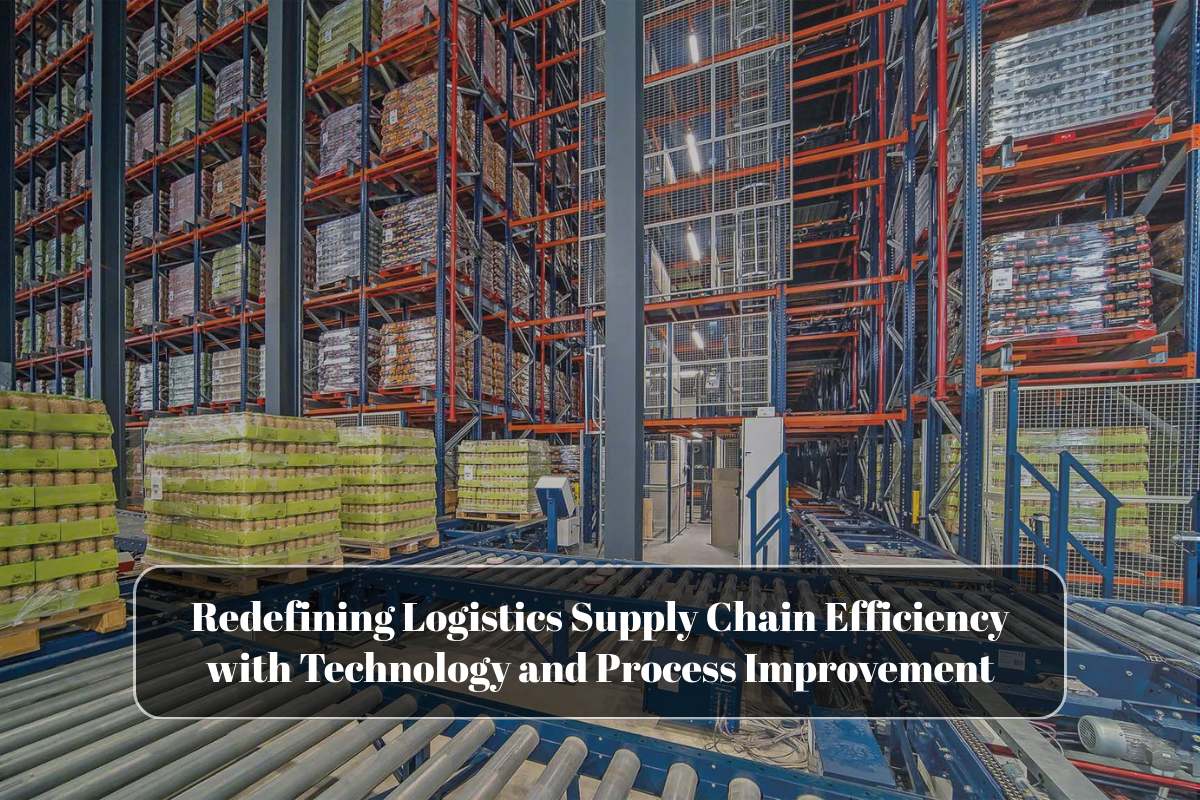
Robotic process automation (RPA) and autonomous mobile robots (AMRs) handle sorting and navigation, slashing labor costs by 30% and errors in high-volume facilities. Automated storage/retrieval systems (AS/RS) maximize vertical space, accelerating fulfillment amid e-commerce surges. Wearables and AR glasses guide pickers, enhancing accuracy in 24/7 operations.
Sustainable Multi-Modal Transport
Electric/hybrid fleets and rail-sea shifts reduce CO2 by 25%, meeting ESG mandates while optimizing costs for long hauls. Circular practices like reusable crates cut packaging waste, appealing to eco-conscious consumers. These align with NFSP infrastructure modernization, supporting green corridors under BIL funding.
Risk Management and Supplier Diversification
Scenario planning anticipates disruptions—tariffs, disasters—with contingency routes and stockpiles, building resilience per DOT priorities. Diversified networks mitigate single-supplier risks, backed by real-time analytics tracking global events. This proactive stance ensures continuity in a sector facing geopolitical volatility.
ERP and Predictive Analytics Integration
Centralized ERP/WMS platforms unify data for dashboards tracking shipments and metrics, enabling swift decisions. Predictive tools forecast spikes or delays, optimizing resources across networks. Cross-sector collaboration streamlines regulations, per NFSP, fostering efficiency from farm to shelf.
Strategic logistics turn supply chains into agile engines, driving U.S. economic growth.
FAQ
Q. How does AI improve forecasting?
It cuts holding costs 20% by predicting demand from data and trends.
Q. gains come from route optimization?
40% better on-time rates via real-time traffic and weather adjustments.
Q. Why automate warehouses?
RPA/AMRs reduce labor 30%, boosting speed in e-commerce hubs.
Q. How does sustainability enhance efficiency?
Green fleets slash CO2 25%, optimizing multi-modal costs.
Q. What role does NFSP play?
Guides safety, infrastructure, and tech for resilient freight networks.