Technology drives profound changes in US freight logistics, enhancing efficiency, sustainability, and resilience amid rising e-commerce demands and supply chain pressures. By 2025, innovations like AI, autonomous vehicles, and IoT integrate across trucking, warehousing, and last-mile delivery, reducing costs and emissions while meeting same-day delivery expectations.
AI and Predictive Analytics Revolution
Artificial intelligence optimizes US freight operations by forecasting demand, routing fleets dynamically, and managing inventory in real time. AI systems predict shelf demand before purchases occur, reroute trucks to avoid delays, and oversee warehouse activities, turning logistics into responsive networks. Predictive analytics, powered by AI, minimizes disruptions through data-driven decisions, with widespread deployment expected in transport and warehousing by 2025.
Autonomous Vehicles and Drones
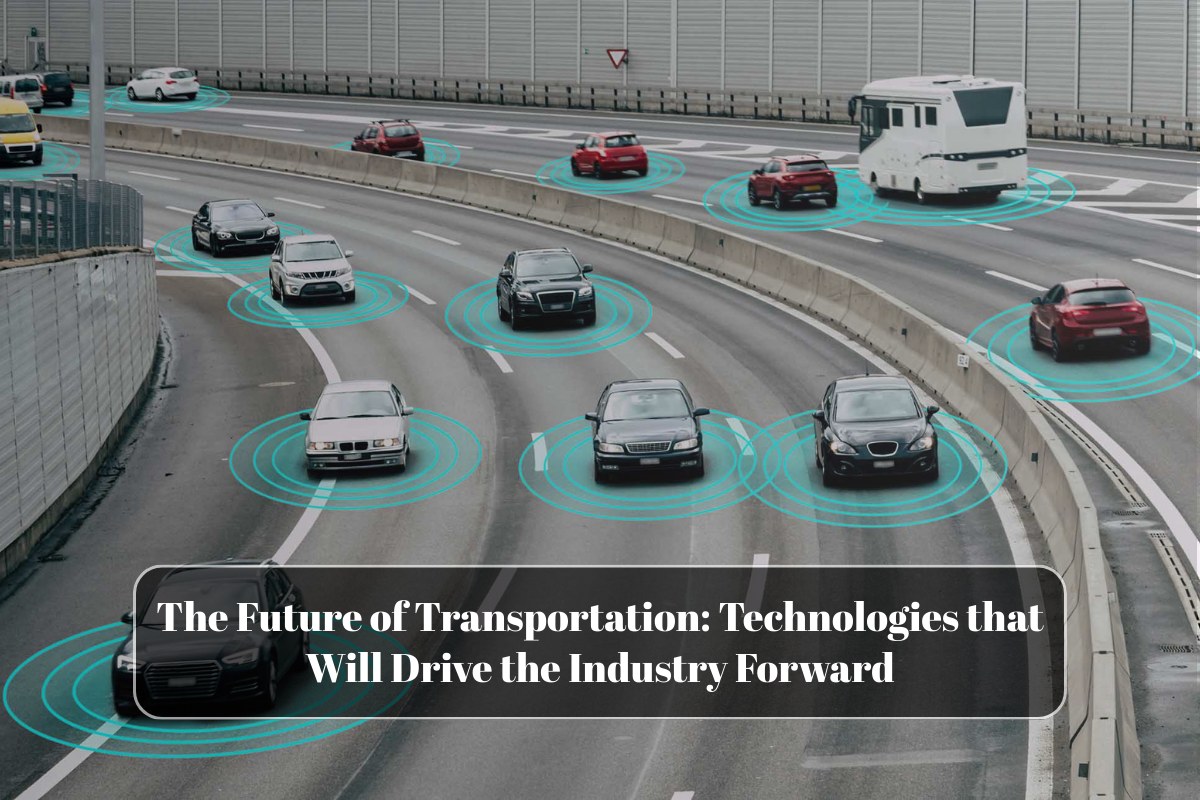
Autonomous trucks and drones transform long-haul and last-mile freight in the USA, with pilot programs expanding for partial driverless operations. Companies like UPS deploy AI for route optimization, while Amazon advances drone deliveries for 30-minute urban shipments, cutting times and fatigue. Platooning convoys, wirelessly linked for fuel savings, reduce truck costs by about 1 percent, reshaping utilization and consumer goods pricing.
IoT and Blockchain for Visibility
IoT sensors enable real-time tracking of US cargo location, condition, and performance, integrating with blockchain for transparent, paperless supply chains. Platforms like Maersk-IBM’s TradeLens provide shared shipping data, slashing errors and costs, while telematics improve fleet fuel efficiency and route planning. These technologies boost resilience against disruptions, vital for perishable goods and international trade under agencies like FMCSA and CBP.
Digital Twins and Smart Warehouses
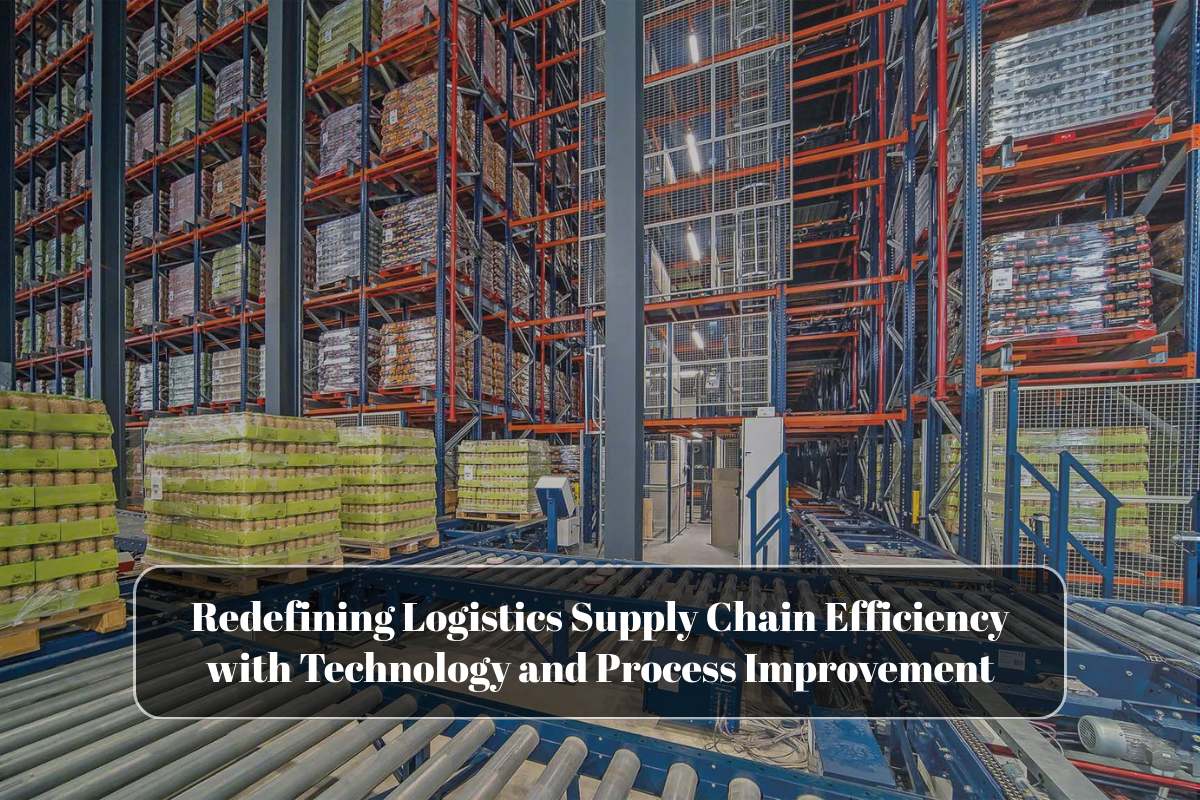
Digital twins create virtual replicas of US freight routes, warehouses, and fleets, using IoT and AI for predictive maintenance and optimization. They simulate traffic adjustments, forecast inventory needs, and detect issues like turbocharger failures early, saving millions in downtime across large fleets. Warehouses evolve into automated hubs with robots, conveyors, and AI for faster picking, lower errors, and integrated fulfillment.
Electric Fleets and Regulatory Push
Electric vehicles gain traction in US freight, replacing diesel for quieter, lower-emission urban deliveries amid EPA standards on fuels and hazardous materials. Growing adoption supports sustainability goals, with fleet transformation driven by nearshoring and data forces. Regulations from DOT and FMCSA enforce safety via hours-of-service limits and inspections, aligning with tech shifts like cybersecurity enhancements against digital threats.
Cybersecurity and Workforce Evolution
US logistics invests heavily in data security as AI automation exposes systems to cyberattacks, protecting routes and inventory. Workforce roles shift to tech management, with training for automation oversight and ergonomic improvements. Partnerships between giants and startups foster innovation, blending human expertise with machines for resilient ecosystems.
Future Outlook
By late 2025, these technologies promise faster, greener US freight amid freight TSI fluctuations, with hybrid models combining drones for last-mile and trucks for bulk hauls. Leaders embracing scenario planning and public-private ties will dominate, navigating geopolitical and competitive shifts.
FAQs
Q1. What role does AI play in US freight logistics by 2025?
AI orchestrates fleets, predicts demand, and optimizes warehouses, enabling dynamic rerouting and error reduction across supply chains.
Q2. How do autonomous trucks impact long-haul freight?
They enable platooning for fuel efficiency, shift drivers to supervisory roles, and lower costs through higher utilization.
Q3. Why is IoT crucial for cargo monitoring in the USA?
IoT provides real-time visibility on location and condition, integrated with blockchain for secure, efficient tracking.
Q4. What benefits do digital twins offer freight operations?
They simulate scenarios for predictive maintenance, route optimization, and inventory forecasting, minimizing downtime.
Q5. How do regulations shape tech adoption in US logistics?
DOT, FMCSA, and EPA enforce safety, emissions, and security standards, supporting electric fleets and resilient practices.