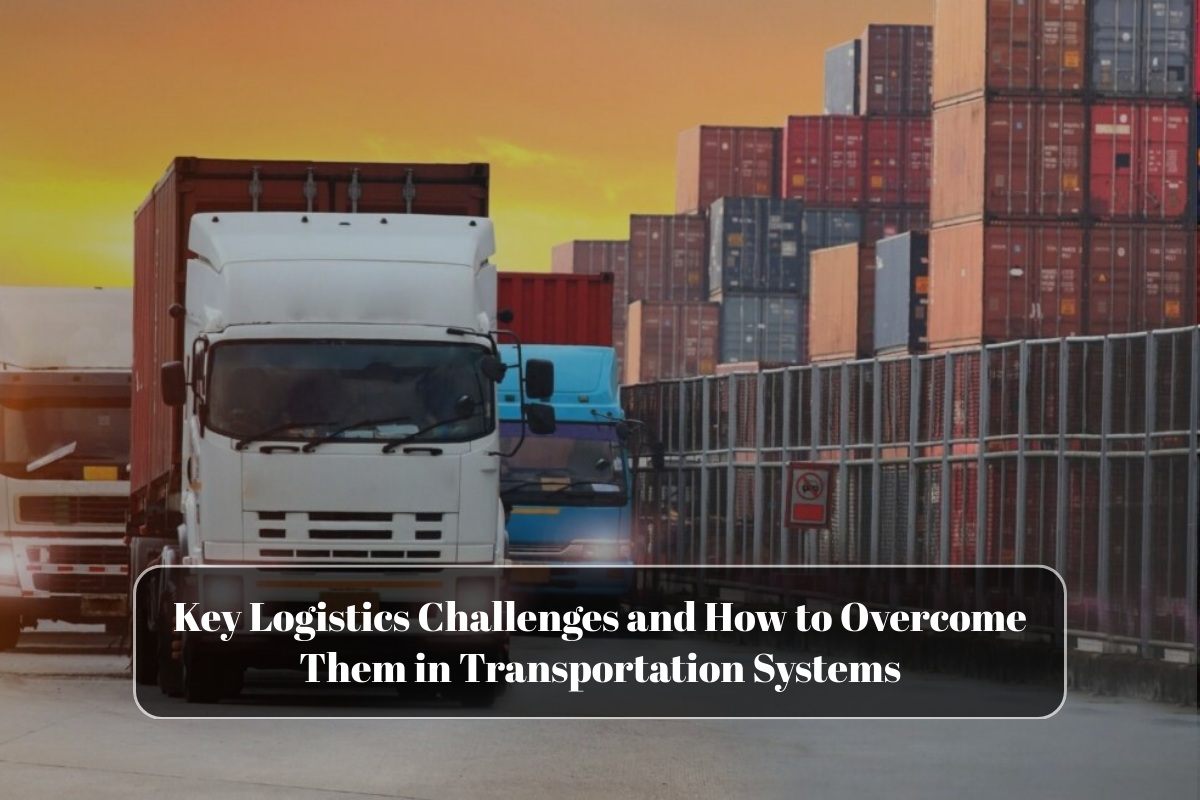
Logistics play a critical role in the success of any supply chain, and transportation is a core element that affects both cost and efficiency. As businesses continue to expand globally, logistics systems are becoming increasingly complex, and companies must navigate a variety of challenges to ensure the smooth flow of goods from one place to another. From fluctuating fuel costs to regulatory changes, transportation systems face numerous obstacles. This article explores some of the key logistics challenges in transportation systems and offers strategies to overcome them.
1. Rising Fuel Costs
Fuel is one of the largest operational costs for transportation companies. Fluctuations in fuel prices can significantly impact the cost of delivering goods, particularly for businesses with large fleets or those involved in long-distance transportation. Unpredictable fuel prices can affect profit margins and make it harder to plan and budget effectively.
How to Overcome This:
To mitigate the impact of rising fuel costs, companies can adopt fuel-efficient practices and technologies. Implementing route optimization software can reduce the distance traveled, minimize idling time, and optimize fuel consumption. Additionally, investing in fuel-efficient vehicles or electric trucks can significantly reduce reliance on traditional fuel. Companies can also negotiate fuel surcharges with carriers or pass some of the fuel costs onto customers in the form of surcharges.
2. Traffic Congestion and Delays
Traffic congestion is a persistent issue in urban areas, leading to delivery delays, increased fuel consumption, and extended delivery times. These delays can disrupt supply chains and affect customer satisfaction. As e-commerce continues to rise, the volume of goods being transported increases, exacerbating traffic issues.
How to Overcome This:
Implementing route optimization tools is a critical strategy for avoiding congestion and minimizing delays. These systems provide real-time traffic updates, enabling businesses to adjust routes on the fly to avoid bottlenecks. Scheduling deliveries during off-peak hours can also help mitigate congestion issues. Moreover, adopting a multi-modal transportation approach that combines road, rail, and air freight can diversify the transportation routes and reduce the impact of congestion.
3. Labor Shortages and Driver Retention
The transportation industry is facing a significant labor shortage, particularly in trucking. The lack of qualified drivers is a major challenge that impacts the ability to maintain reliable delivery schedules. In addition to the shortage, driver turnover rates are high, leading to increased recruitment and training costs.
How to Overcome This:
To address labor shortages and improve driver retention, companies can invest in driver training programs, offering competitive salaries and benefits, and implementing retention strategies such as performance bonuses or career development opportunities. Additionally, improving working conditions, such as better scheduling flexibility, is essential for attracting and retaining skilled drivers. For long-term solutions, businesses can explore autonomous vehicle technology and automation to reduce dependency on human drivers.
4. Regulatory Compliance and Changing Laws
Transportation systems are subject to a wide range of regulations and legal requirements, including safety standards, environmental laws, and international trade regulations. As regulations evolve, it can become challenging for companies to stay compliant and avoid penalties. Non-compliance can result in costly fines, delays, and reputational damage.
How to Overcome This:
To navigate regulatory compliance challenges, businesses should stay up to date with local, national, and international laws that affect transportation. Engaging legal experts or consultants can help companies interpret complex regulations and ensure compliance. Additionally, leveraging technology such as transportation management systems (TMS) can help businesses track and adhere to regulatory requirements in real-time, making it easier to manage compliance across regions.
5. Supply Chain Visibility
A lack of visibility in the supply chain can lead to inefficiencies, such as inventory imbalances, delayed shipments, or inadequate communication between suppliers and customers. Without real-time data on shipment status, businesses may struggle to make informed decisions and respond to disruptions quickly.
How to Overcome This:
Investing in advanced tracking systems that provide real-time visibility into the location and status of shipments is essential. Technologies like GPS tracking, RFID, and IoT sensors can help companies monitor freight in real-time, ensuring they have accurate data to make decisions. Additionally, integrating systems across the supply chain, from suppliers to warehouses to customers, can provide better transparency and facilitate smoother communication.
6. Environmental Impact and Sustainability
With increasing pressure from consumers, governments, and environmental groups, businesses are focusing more on reducing the environmental impact of their logistics operations. Transportation systems, particularly freight trucking, contribute significantly to carbon emissions, making it a critical area for improvement in sustainability efforts.
How to Overcome This:
To reduce environmental impact, companies can adopt green logistics strategies, such as using electric or hybrid vehicles, optimizing routes for fuel efficiency, and adopting carbon offset programs. Encouraging the use of intermodal transport (rail, air, sea) can also help reduce emissions, as these modes tend to have lower environmental footprints compared to trucking. Additionally, implementing energy-efficient practices in warehouses and facilities can further improve sustainability efforts.
7. Increased Customer Expectations for Speed and Flexibility
In the age of e-commerce, consumers expect faster deliveries and greater flexibility in delivery options. Customers want to know the exact status of their shipments, and many now demand same-day or next-day delivery, even for long-distance shipments. Meeting these heightened expectations can be a logistical challenge, especially when it comes to balancing speed with cost-efficiency.
How to Overcome This:
To meet customer expectations without sacrificing efficiency, businesses must focus on building an agile logistics network that can handle high volumes of shipments in a timely manner. This may involve partnering with third-party logistics (3PL) providers who specialize in fast and flexible delivery services. Additionally, implementing a robust order management system (OMS) can help streamline operations and ensure accurate and timely delivery. Automation and AI technologies, such as predictive analytics, can help anticipate demand spikes and optimize delivery scheduling.
8. Handling Unexpected Disruptions
Transportation systems are vulnerable to various unexpected disruptions, such as natural disasters, geopolitical instability, labor strikes, or pandemics. These disruptions can lead to delays, bottlenecks, and supply chain breakdowns, making it difficult for businesses to maintain a reliable delivery schedule.
How to Overcome This:
The key to overcoming disruptions is having a well-designed contingency plan in place. Companies should assess potential risks to their supply chain and develop mitigation strategies to address these risks. This may include diversifying suppliers and transportation routes, investing in inventory buffers, and having backup transportation options available. Additionally, utilizing supply chain risk management software can help businesses predict and respond to potential disruptions quickly and efficiently.
FAQs
How can fuel costs be controlled in transportation systems?
Fuel costs can be managed through route optimization software, investing in fuel-efficient vehicles, and adopting green technologies such as electric trucks. Additionally, companies can negotiate fuel surcharges with carriers or adjust pricing strategies to offset costs.
What strategies can be used to tackle driver shortages in the transportation industry?
Driver shortages can be addressed by offering competitive pay, improving working conditions, investing in training programs, and exploring automation or autonomous vehicle technologies for long-term solutions.
How can businesses ensure regulatory compliance in transportation?
To ensure compliance, businesses should stay informed about regulations, invest in legal resources, and use transportation management systems (TMS) to track and manage regulatory requirements.
How can businesses improve supply chain visibility?
Improving visibility can be achieved by implementing real-time tracking systems, using GPS, RFID, and IoT technology, and integrating systems across the supply chain to provide transparent communication and data.
What are some eco-friendly transportation practices?
Eco-friendly practices include using electric or hybrid vehicles, optimizing routes for fuel efficiency, adopting intermodal transport options, and offsetting carbon emissions through sustainability programs.