In today’s fast-paced global economy, the success of any business heavily relies on its ability to deliver goods on time and with complete accuracy. Efficient logistics coordination is crucial to meet customer expectations, minimize costs, and stay ahead of competitors.
Proper management of freight operations, from warehouse handling to final delivery, can make or break the reliability of a company’s supply chain. By using the right logistics coordination techniques, businesses can improve both the accuracy and speed of freight, ensuring timely deliveries while minimizing errors.
In this article, we will explore several logistics coordination techniques that can streamline operations and enhance the accuracy and speed of freight movement.
1. Optimize Route Planning
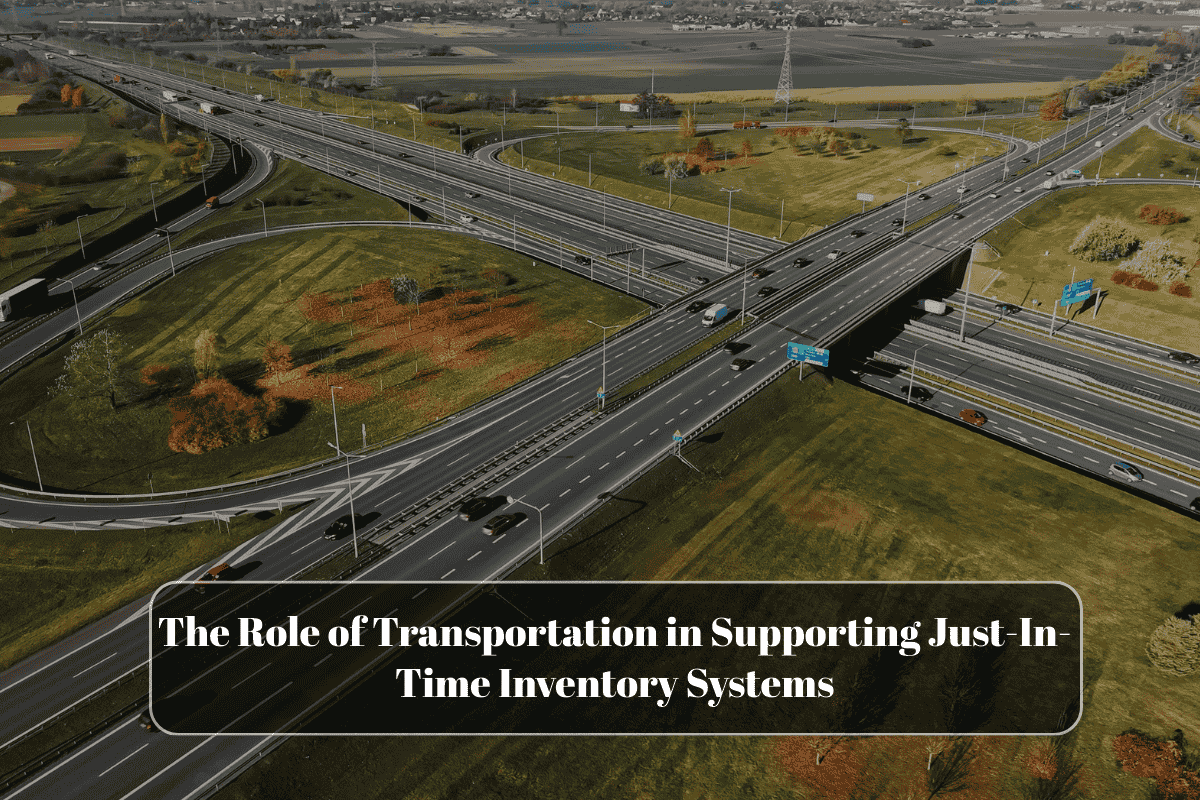
Route optimization is one of the most effective ways to enhance the speed and accuracy of freight delivery. A well-planned route can reduce travel time, fuel costs, and the likelihood of delays, while also helping to prevent mistakes in delivery schedules.
Why it matters:
- Reduced transit times: By calculating the most efficient routes, businesses can avoid unnecessary detours and traffic, ensuring that goods reach their destination faster.
- Cost savings: Optimized routes reduce fuel consumption and operational costs, contributing to a more cost-efficient logistics operation.
- Accurate delivery timelines: With precise route planning, transportation managers can give accurate ETAs (Estimated Time of Arrival), leading to better customer satisfaction.
How to implement route optimization:
- Use route planning software: Modern route optimization tools analyze traffic patterns, weather conditions, and road networks in real-time to suggest the quickest and most efficient routes.
- Consider delivery windows: Align delivery times with customers’ availability or time-specific requirements, ensuring timely deliveries without unnecessary delays.
- Real-time adjustments: Use GPS and live data to adjust routes during transit if unexpected traffic or weather conditions arise.
Optimizing routes helps in reducing delivery delays and improves overall operational efficiency.
2. Leverage Real-Time Tracking and Visibility
Real-time tracking allows logistics companies to monitor shipments throughout the entire supply chain process. By providing continuous visibility, both businesses and customers can stay informed about the status of freight.
Why it matters:
- Increased accuracy: Tracking freight in real-time helps identify potential issues, such as delays or route deviations, allowing corrective actions to be taken immediately.
- Faster decision-making: With real-time data, logistics teams can make quick decisions to re-route shipments, manage delays, or communicate updated delivery schedules.
- Enhanced customer experience: Customers can receive real-time updates on their orders, improving their confidence in the company’s service.
How to implement real-time tracking:
- Integrate GPS and RFID technology: Use GPS tracking to monitor fleet movements and RFID (Radio Frequency Identification) to track goods through warehouses, trucks, and distribution centers.
- Adopt tracking platforms: Use cloud-based software that provides centralized tracking for shipments, offering real-time updates to both internal teams and customers.
- Provide customer access: Allow customers to track their shipments through your website or app, ensuring transparency and trust in your logistics operations.
With real-time tracking, you can identify issues before they become significant problems and make immediate adjustments to keep freight moving efficiently.
3. Implement Cross-Docking
Cross-docking is a logistics technique that involves transferring goods directly from incoming to outgoing transportation with minimal storage time in between. It helps streamline the freight handling process and reduces delays.
Why it matters:
- Faster turnaround: Cross-docking eliminates the need for prolonged storage and sorting, speeding up the flow of goods from the supplier to the customer.
- Reduced handling errors: Since goods spend less time in the warehouse, the chance of misplacing or damaging items is significantly reduced.
- Improved delivery times: By bypassing storage, cross-docking can improve the speed at which freight reaches its destination, especially for high-priority or time-sensitive shipments.
How to implement cross-docking:
- Coordinate between suppliers and transportation providers: Ensure efficient scheduling and coordination between the suppliers, warehouse staff, and transporters so that goods move quickly from dock to dock.
- Invest in technology: Use warehouse management systems (WMS) that track goods in transit and streamline sorting and transferring processes.
- Prioritize high-demand goods: Focus cross-docking efforts on high-demand, time-sensitive items that require quick turnover and minimal handling.
Cross-docking is especially beneficial in industries such as retail, where fast delivery and minimal handling are crucial for customer satisfaction.
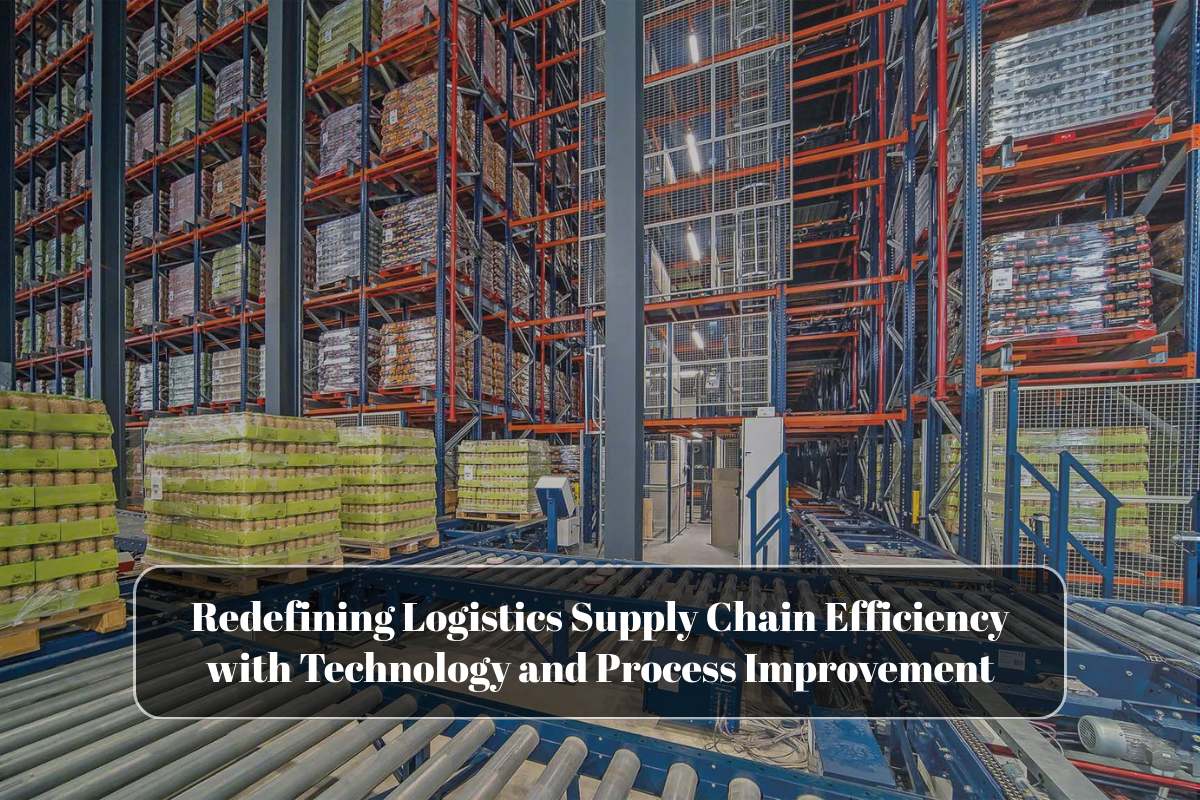
4. Automate Inventory Management
Inventory management is a critical part of logistics coordination. Manual tracking or disorganized warehouse management can lead to errors, delays, and inefficiencies that slow down the entire supply chain. Automating inventory management helps improve accuracy and speed by reducing human errors and optimizing stock levels.
Why it matters:
- Reduced errors: Automation reduces the likelihood of mistakes in inventory tracking, ensuring that the correct items are shipped on time.
- Increased speed: Automated systems can locate, pick, and pack goods much faster than manual systems, reducing order fulfillment time.
- Real-time inventory tracking: Automation provides real-time visibility into stock levels, helping managers plan shipments and avoid stockouts or overstocking.
How to implement automated inventory management:
- Use barcode scanners and RFID technology: Integrate barcode and RFID systems into the warehouse to track inventory levels and movement automatically.
- Implement warehouse management software (WMS): A WMS can streamline inventory processes, track real-time stock levels, and manage order picking, packing, and shipping.
- Adopt predictive analytics: Use predictive tools to forecast demand and ensure inventory levels are aligned with future orders, minimizing delays caused by stock shortages.
Automated inventory systems ensure that goods are ready for dispatch faster, and inventory errors are reduced, leading to better overall freight accuracy.
5. Optimize Packaging
Proper packaging plays an important role in the speed and accuracy of freight. Effective packaging minimizes damage during transport, reduces the time required for loading/unloading, and ensures items are delivered in the correct condition.
Why it matters:
- Fewer damaged goods: Well-packaged items are less likely to be damaged in transit, reducing the need for returns and re-shipments.
- Easier handling: Properly packaged items are easier to handle, load, and unload, speeding up the entire shipping process.
- Cost savings: Using optimized packaging can reduce shipping costs by maximizing space in containers, reducing the number of shipments required.
How to implement optimized packaging:
- Use the right materials: Choose packaging materials that provide sufficient protection while minimizing weight and cost.
- Standardize packaging: Standardizing packaging for certain product categories helps streamline the packing and handling process.
- Maximize space utilization: Ensure that packaging is designed to fit efficiently in containers and transportation vehicles, optimizing space and reducing transportation costs.
Well-designed packaging not only protects the goods but also contributes to the overall speed and efficiency of the supply chain.
6. Strengthen Supplier and Partner Relationships
Strong relationships with suppliers and transportation partners are essential to improving freight accuracy and speed. By fostering collaborative partnerships, you can ensure smoother operations, better communication, and more reliable deliveries.
Why it matters:
- Improved communication: Having strong relationships with suppliers and logistics partners ensures that everyone involved in the supply chain is on the same page, reducing misunderstandings and delays.
- Better planning: Reliable suppliers can help meet deadlines and provide consistent, high-quality products, while trustworthy logistics partners can ensure that goods are delivered promptly.
- Flexibility in emergencies: Strong relationships often result in more flexibility in urgent or unexpected situations, such as last-minute orders or changes in delivery schedules.
How to strengthen relationships:
- Build long-term partnerships: Invest in building long-term relationships with suppliers and logistics providers who understand your business and can adapt to your needs.
- Communicate regularly: Hold regular meetings to discuss performance, challenges, and potential improvements to enhance overall supply chain performance.
- Collaborate on problem-solving: Work with partners to address issues before they escalate, whether it’s about supply delays, damaged goods, or changing shipping schedules.
Fostering positive relationships with partners creates a more reliable and agile supply chain, improving both speed and accuracy.
7. Implement Performance Metrics and Continuous Improvement
To ensure that logistics operations are consistently meeting accuracy and speed goals, it’s essential to monitor performance and make data-driven decisions. Implementing key performance indicators (KPIs) allows logistics managers to track and assess the effectiveness of their operations.
Why it matters:
- Measure progress: KPIs provide insights into areas of improvement, helping businesses maintain high standards of performance.
- Identify bottlenecks: Regularly reviewing performance can highlight areas where delays or inefficiencies occur, allowing for corrective action.
- Encourage accountability: Performance metrics help teams understand what is expected of them and foster a culture of continuous improvement.
How to implement performance metrics:
- Track delivery times: Measure how long it takes to complete deliveries, from pick-up to final drop-off, and identify ways to reduce time.
- Monitor order accuracy: Track the accuracy of order fulfillment, including the correct items being shipped and received.
- Assess inventory levels: Ensure that inventory management is efficient and avoids stockouts or excess inventory.
By continuously monitoring and improving operations, transportation companies can maintain high standards of freight accuracy and speed.
Frequently Asked Questions (FAQs)
Q. How can I improve the speed of my freight operations?
Improving route planning, optimizing inventory management, leveraging real-time tracking, and using automation are all effective ways to speed up freight operations.
Q. Why is accurate delivery important in logistics?
Accurate delivery is crucial for customer satisfaction, maintaining reliable relationships with clients, and avoiding costly returns or re-shipments due to errors.
Q. How does route optimization reduce delays in freight delivery?
Route optimization ensures that vehicles take the most efficient paths, avoiding traffic or road issues, reducing fuel consumption, and improving delivery times.
Q. What role does packaging play in freight speed and accuracy?
Proper packaging ensures that goods are protected during transport, fit well in containers, and are easily handled, reducing the risk of delays or damage.
Q. How can I improve my relationships with logistics partners?
Regular communication, building long-term partnerships, collaborating on solutions, and ensuring mutual benefit are all essential for strengthening relationships with logistics partners.