Logistics and freight management are essential components of the supply chain, influencing how products move from suppliers to customers. However, logistics can be complex, involving numerous steps, multiple stakeholders, and various types of goods. As businesses grow and global supply chains become increasingly intricate, the pressure to reduce costs and improve efficiency intensifies. This is where logistics automation plays a crucial role.
Automation is revolutionizing the logistics industry, optimizing freight management, reducing operational costs, and enhancing overall supply chain efficiency. By integrating technology such as automated warehouses, robotic process automation (RPA), and advanced transportation management systems (TMS), businesses can streamline their logistics operations and improve their bottom line.
In this article, we will explore how logistics automation contributes to optimizing freight and reducing costs, and why it’s a critical investment for businesses seeking competitive advantages in the logistics sector.
1. Streamlining Warehouse Operations with Automation
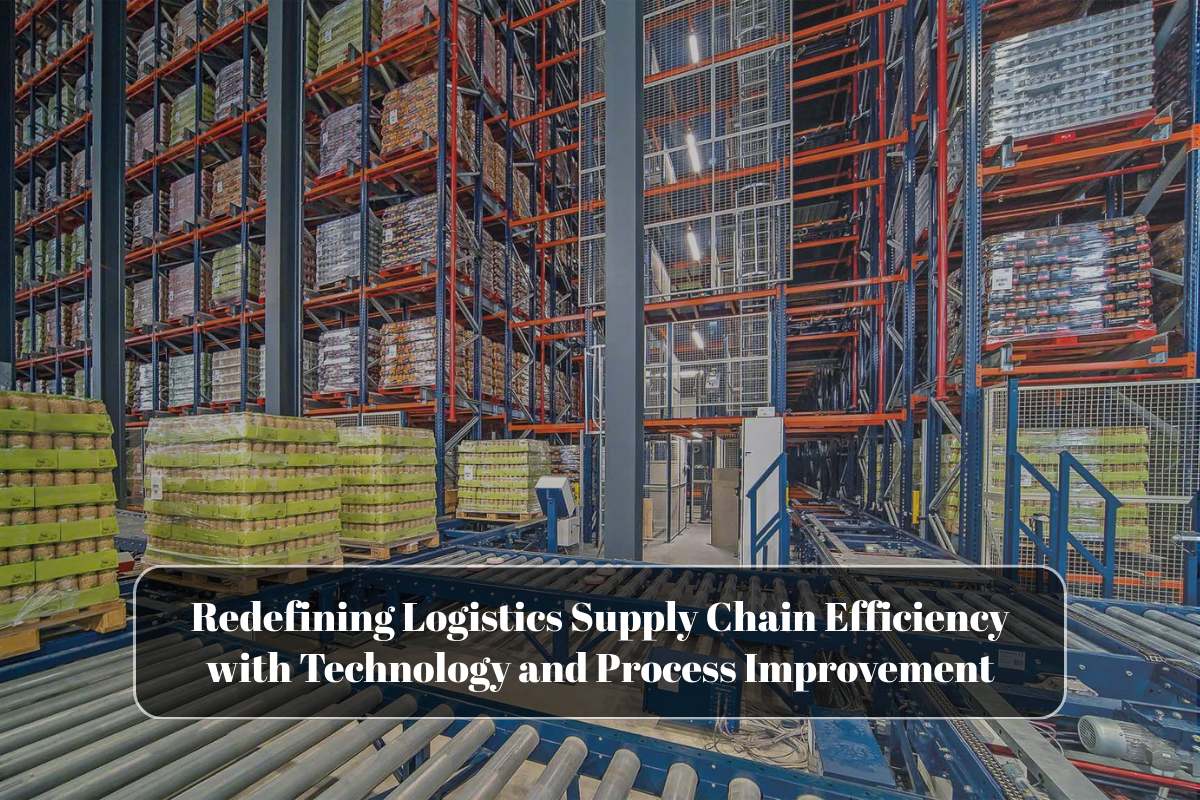
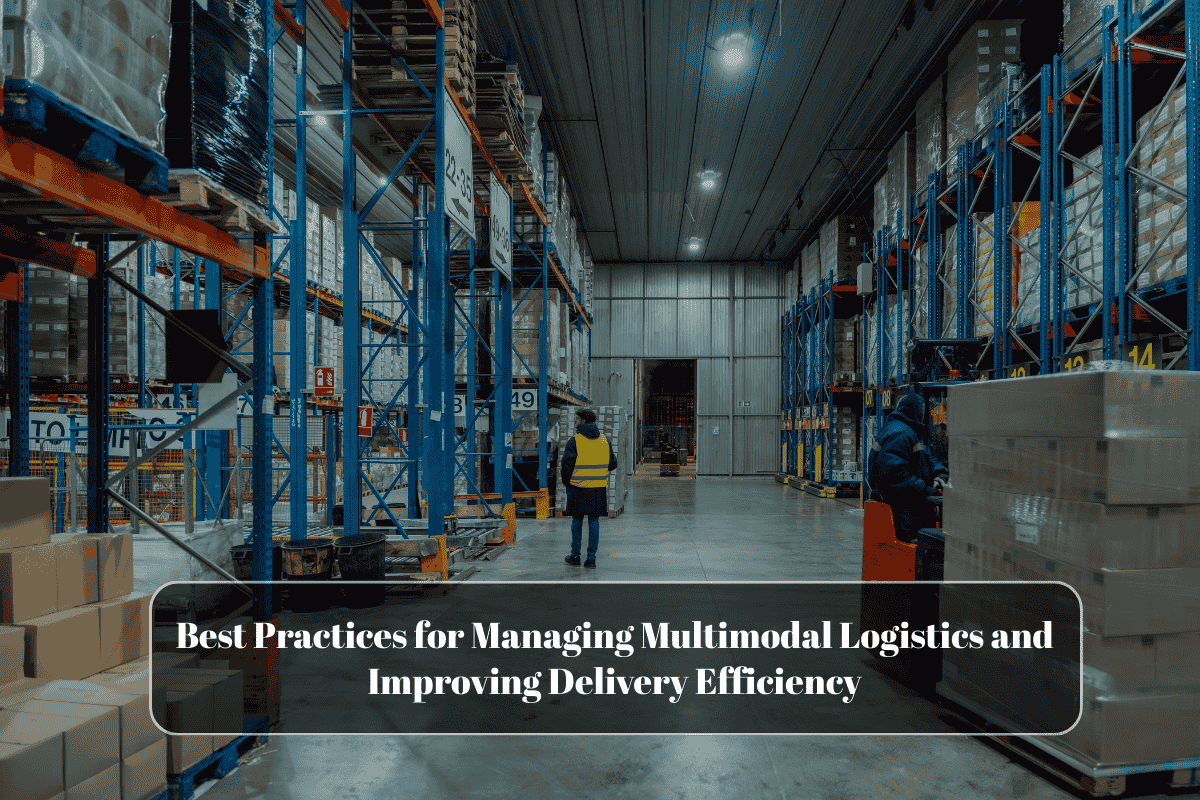
Warehousing is one of the most time-consuming and costly elements of logistics. It involves managing inventory, processing orders, packing, sorting, and shipping—all of which require careful coordination to ensure that products move efficiently through the supply chain. Logistics automation in the warehouse can significantly reduce labor costs, improve accuracy, and speed up the process.
Key Automation Technologies in Warehousing:
- Automated Guided Vehicles (AGVs): AGVs are used to transport goods around the warehouse without human intervention. These robots can pick up, move, and place items, reducing the need for manual labor.
- Robotic Picking Systems: These systems use robotics to automate the picking and sorting process, which is typically labor-intensive. With the help of AI and machine learning, robots can identify, retrieve, and deliver the right products in record time.
- Automated Sorting Systems: Automated sorting systems use conveyors and scanners to classify and route packages to the correct location for shipment, reducing human error and speeding up the sorting process.
- Warehouse Management Systems (WMS): WMS platforms automate inventory management, ensuring that products are efficiently stored, tracked, and moved within the warehouse.
Benefits of Warehouse Automation:
- Increased Efficiency: Automated systems speed up routine tasks, enabling warehouses to handle more orders in less time.
- Reduced Labor Costs: Automation reduces the reliance on manual labor, lowering wages and training costs.
- Fewer Errors: Automated systems can track inventory in real-time, minimizing the risk of human errors, such as misplaced or miscounted goods.
- Faster Order Fulfillment: With automated picking, sorting, and storage, orders are processed more quickly, which reduces lead times and enhances customer satisfaction.
2. Optimizing Freight Routing and Delivery with AI and TMS
Transportation plays a critical role in freight costs, and one of the biggest expenses in logistics is transportation—particularly fuel costs, vehicle maintenance, and route inefficiencies. Logistics automation, powered by advanced transportation management systems (TMS) and artificial intelligence (AI), helps optimize freight routing and delivery schedules.
Key Technologies in Freight Optimization:
- AI-Powered Route Optimization: AI algorithms analyze data such as traffic patterns, weather conditions, and road restrictions to determine the most efficient routes. By optimizing routes, companies can reduce fuel consumption, avoid delays, and ensure timely deliveries.
- Transportation Management Systems (TMS): TMS platforms automate the planning, execution, and monitoring of transportation operations. These systems help manage shipping schedules, track shipments, and analyze performance to optimize freight costs and reduce delays.
- Predictive Analytics: Using data collected from various sources, predictive analytics can forecast demand, identify potential disruptions, and suggest adjustments to freight routes and delivery schedules in advance.
- Dynamic Fleet Management: By automating fleet management, businesses can track their vehicles in real time, ensuring that resources are used optimally. This also helps with maintenance scheduling, ensuring vehicles are serviced before breakdowns occur, reducing downtime and costs.
Benefits of Freight Automation:
- Cost Savings: Optimizing routes and vehicle utilization reduces fuel consumption and maintenance costs, contributing to lower transportation expenses.
- Improved Delivery Times: Automated systems can adjust delivery routes in real-time to avoid traffic, roadblocks, and other obstacles, ensuring faster deliveries.
- Better Visibility: Real-time tracking and monitoring give businesses greater visibility into the status of shipments, helping to anticipate issues and make timely adjustments.
- Scalability: Automated freight solutions can scale with business growth, ensuring that expanding transportation needs can be met without significant increases in costs or delays.
3. Reducing Manual Paperwork and Streamlining Compliance
Freight logistics often involve complex paperwork, including customs declarations, invoices, and shipping documents, all of which require accurate processing to avoid delays. Manual documentation can be error-prone, time-consuming, and inefficient. Automation can help streamline administrative tasks and ensure that compliance with international regulations is maintained.
Key Automation Solutions for Documentation:
- Electronic Data Interchange (EDI): EDI systems allow businesses to exchange documents such as purchase orders, invoices, and shipping notifications electronically, eliminating the need for paper-based communication and reducing human errors.
- Automated Customs Compliance: Automated systems can streamline the customs process by generating the correct documents, calculating duties and taxes, and ensuring that shipments comply with local regulations.
- Automated Billing and Invoicing: Billing software can automatically generate invoices based on shipment details, reducing administrative errors and accelerating payment cycles.
Benefits of Reducing Manual Paperwork:
- Reduced Operational Costs: By eliminating manual document processing, businesses save time and reduce labor costs associated with administrative tasks.
- Faster Transactions: Automation speeds up the approval process for documents, reducing the time spent waiting for necessary paperwork to be completed.
- Improved Accuracy: Automation ensures that all documentation is accurate, minimizing the risk of delays caused by incorrect or incomplete paperwork.
- Easier Compliance: Automated systems help ensure that businesses remain compliant with evolving regulations, avoiding fines and delays caused by incorrect documentation.
4. Enhancing Inventory Management and Stock Optimization
Effective inventory management is crucial for optimizing freight and reducing costs. Businesses must ensure that inventory is accurately tracked, stored efficiently, and moved through the supply chain without unnecessary delays. Automation tools play a major role in helping businesses maintain optimal inventory levels while minimizing excess stock.
Key Technologies for Inventory Management:
- Automated Inventory Tracking: Using RFID tags and IoT sensors, businesses can track inventory in real-time as it moves through warehouses, distribution centers, and transit. This ensures that stock levels are accurate and that items are not overstocked or understocked.
- Automated Replenishment Systems: These systems automatically reorder inventory based on demand patterns, ensuring that businesses don’t run out of stock or order excess goods that tie up capital.
- Just-in-Time (JIT) Inventory: JIT systems are automated to help businesses receive goods precisely when they are needed, reducing storage costs and optimizing cash flow.
Benefits of Inventory Automation:
- Reduced Holding Costs: Automation helps minimize overstocking, reducing warehousing costs and preventing inventory from becoming obsolete.
- Increased Efficiency: Real-time tracking and automated inventory management streamline the process, ensuring stock is always available when needed and reducing the time spent on manual checks.
- Better Demand Forecasting: Automation allows businesses to predict demand more accurately, ensuring that inventory levels align with actual customer needs.
- Optimized Freight Operations: By having the right inventory at the right time, businesses can reduce unnecessary freight shipments, improving efficiency and reducing transportation costs.
5. Enhancing Customer Experience with Automation
The ultimate goal of logistics automation is to improve the customer experience by offering faster, more reliable, and cost-effective delivery services. In today’s competitive marketplace, customers expect high levels of service, including accurate delivery tracking, fast shipments, and real-time updates.
Key Customer-Focused Automation Solutions:
- Automated Delivery Notifications: Customers can receive automated notifications about their order status, including shipping, estimated delivery times, and delays.
- Self-Service Platforms: Many businesses are offering customers the ability to track their orders and manage deliveries via online portals or mobile apps, providing them with greater control over their experience.
- Automated Customer Support: AI-powered chatbots and automated customer service systems can answer questions and resolve issues 24/7, improving overall customer satisfaction and reducing response times.
Benefits:
- Improved Customer Satisfaction: Automation allows businesses to provide more accurate, timely, and transparent delivery information, which boosts customer trust and satisfaction.
- Faster Response Times: Automated systems reduce the time customers spend waiting for answers or updates, ensuring quicker resolutions to issues.
- Personalized Service: By tracking customer preferences and providing tailored experiences, automation can enhance customer loyalty and retention.
Logistics automation is a powerful tool for optimizing freight management and reducing costs. By automating warehousing operations, freight routing, documentation, inventory management, and customer service, businesses can streamline their processes, improve efficiency, and enhance customer satisfaction.
The integration of advanced technologies like AI, robotics, IoT, and TMS not only reduces operational costs but also drives competitive advantage in an increasingly fast-paced and customer-centric market.
Embracing logistics automation enables businesses to scale their operations efficiently, reduce human error, and remain flexible to the ever-changing demands of the marketplace. For companies looking to improve their supply chain performance, reduce costs, and enhance customer loyalty, logistics automation is a strategic investment that pays long-term dividends.
FAQs
How does logistics automation help reduce operational costs?
Logistics automation reduces the need for manual labor, minimizes errors, optimizes routes, and streamlines inventory management, all of which contribute to lower operational costs.
What are the main technologies involved in logistics automation?
Key technologies include AI-powered route optimization, robotic process automation (RPA) in warehouses, automated inventory systems, real-time tracking with IoT, and transportation management systems (TMS).
Can logistics automation improve customer satisfaction?
Yes, by providing faster deliveries, accurate tracking, and timely updates, logistics automation enhances the customer experience, leading to higher satisfaction and repeat business.
Is automation suitable for all businesses?
While automation can provide significant benefits, businesses should assess their scale, needs, and available resources before investing in automated solutions to ensure they align with their operational goals.
What are the future trends in logistics automation?
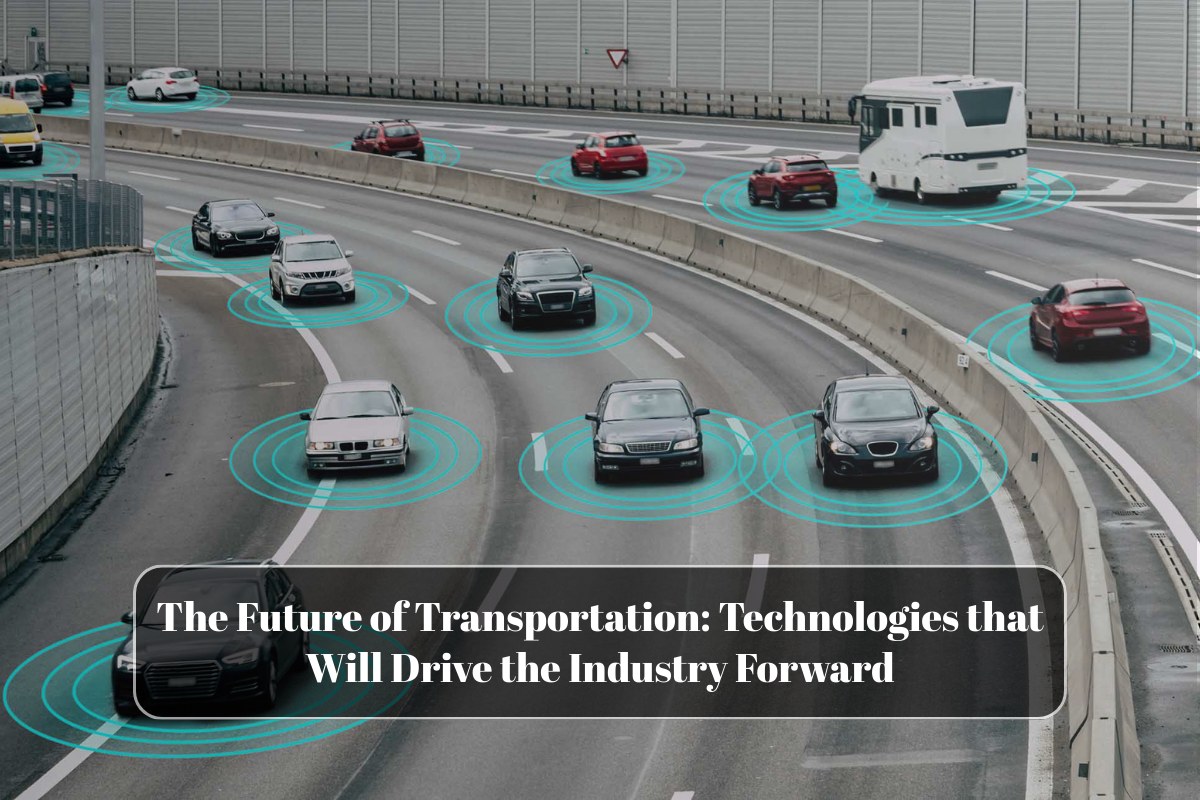
Future trends include the increased use of autonomous vehicles for delivery, further advancements in AI and machine learning for predictive analytics, and greater integration of blockchain for enhanced transparency and security.