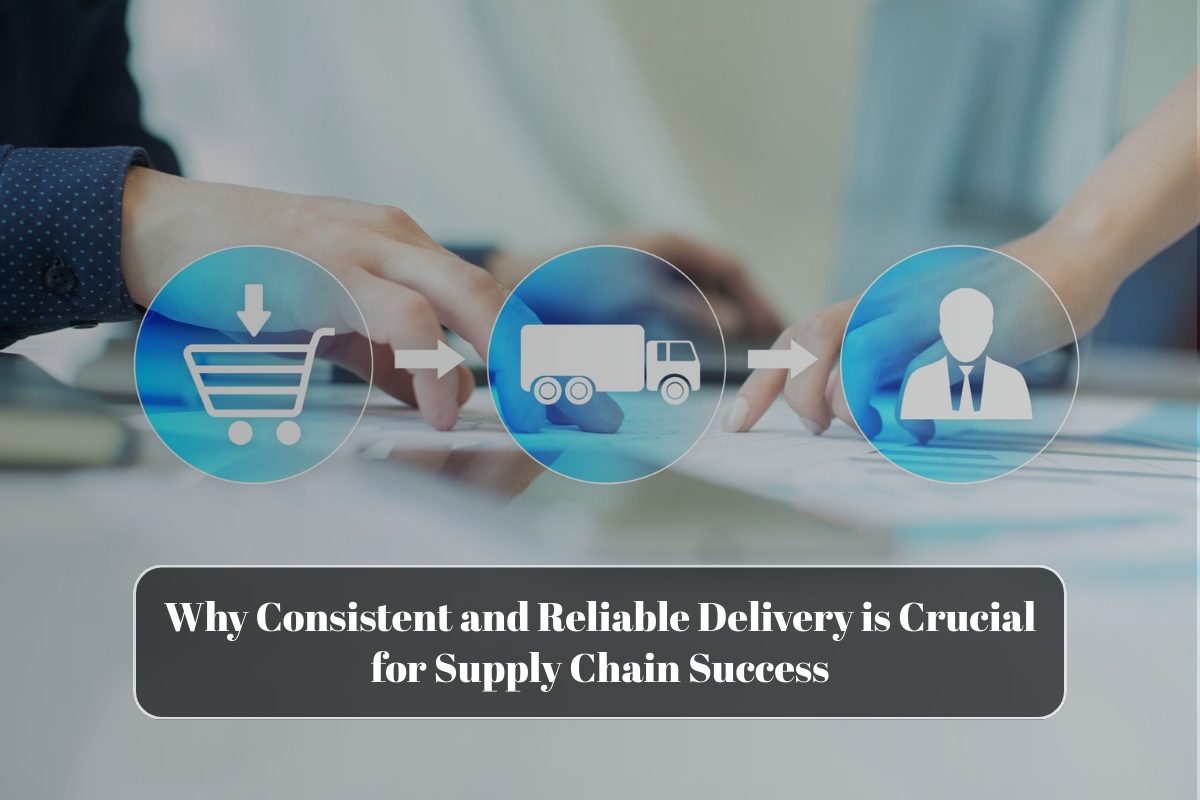
Logistics management drives long-term business success in the USA by optimizing supply chains, cutting costs, and enhancing customer satisfaction through strategic oversight of transportation, inventory, and distribution. Effective practices correlate with 15-25% higher profit margins and stronger market resilience, as seen in top performers tracked by industry benchmarks. This function turns operational efficiency into competitive advantage, sustaining growth amid disruptions like port congestion or demand surges.
Optimizing Costs Through Key Metrics
Logistics leaders monitor KPIs like transportation cost per unit, inventory turnover ratio (target 4-6x annually), and on-time delivery rates (95%+ goal) to identify savings without sacrificing service. In the USA, firms auditing freight spend quarterly reduce expenses by 10-20% via route consolidation and carrier negotiations. Capacity utilization above 85% minimizes idle assets, while order accuracy over 99% cuts returns that erode margins by 5-10%.
These metrics enable data-driven decisions, such as shifting to intermodal for long hauls, preserving cash flow for reinvestment in expansion.
Enhancing Customer Loyalty and Retention
Reliable delivery—measured by perfect order rates (on-time, complete, damage-free)—builds trust, with US customers 60% more likely to repurchase from high performers. Lead time reductions from 7-10 days to 2-4 via regional DCs boost satisfaction scores (CSAT) by 20-30 points. Visibility tools sharing ETAs foster transparency, turning logistics into a loyalty driver amid e-commerce competition.
Return policies streamlined by accurate picking (98%+) minimize disputes, strengthening repeat business vital for 70% of revenue in mature firms.
Building Supply Chain Resilience
Proactive risk management through supplier diversification and buffer stocks weathers events like weather delays or tariffs, maintaining 98% uptime. US manufacturers with dual sourcing avoid 30% of disruptions, per resilience benchmarks. Digital twins simulate scenarios, refining contingency plans that protect revenue during peaks.
Driving Scalability and Market Expansion
Integrated TMS-ERP systems scale operations seamlessly, supporting volume growth without proportional cost hikes. Warehousing efficiency metrics like dock utilization (80%+) handle surges, enabling entry into new regions like Midwest expansions. Sustainability tracking—fuel efficiency, emissions—meets retailer mandates, unlocking premium contracts.
Fostering Innovation and Competitive Edge
Analytics from KPIs spark innovations like AI routing or drone last-mile, positioning firms ahead. Leaders investing 2-5% of logistics budget in tech see 15% productivity gains, fueling long-term leadership.
FAQs
Q1. What KPIs show logistics cost efficiency?
Transportation cost per unit, inventory turnover (4-6x), and capacity utilization (85%+) guide savings of 10-20%.
Q2. How does logistics boost customer retention?
Perfect order rates (95%+) and CSAT tracking ensure reliability, driving 60% higher repeat buys.
Q3. Why prioritize supply chain resilience?
Diversification and buffers cut disruptions by 30%, sustaining revenue amid US market volatility.
Q4. How does logistics enable business scaling?
TMS integration and high dock utilization (80%+) handle growth without cost spikes.
Q5. What role do metrics play in innovation?
They identify opportunities for AI and tech, yielding 15% productivity for competitive edges.