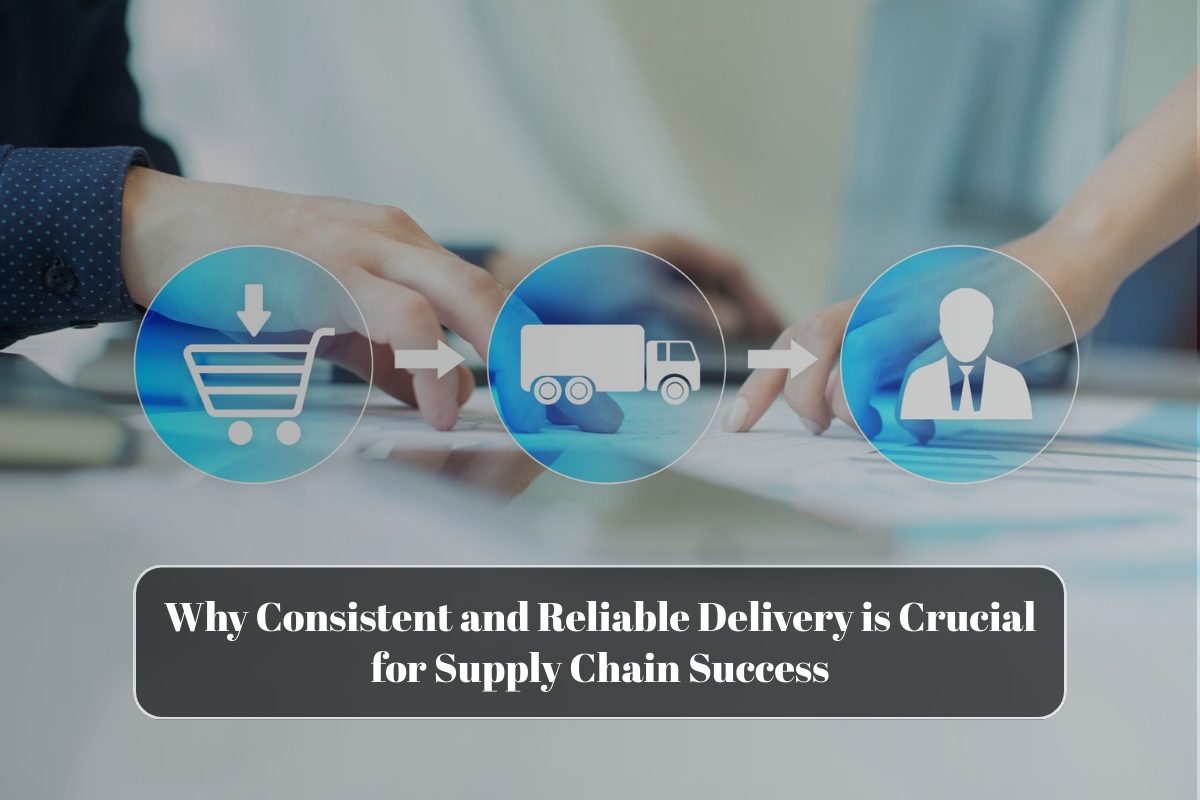
Inventory management and logistics performance intertwine in US operations, where precise stock levels optimize transport, warehousing, and fulfillment amid $1.6T annual logistics costs. Effective systems like JIT reduce holding expenses by 20-30% while boosting on-time delivery to 95%, per APICS standards. This synergy drives efficiency in e-commerce and manufacturing hubs from Amazon to GM.
Core Principles Linking Inventory to Logistics
Accurate forecasting via AI prevents overstock (25% of inventory idle) and stockouts (8% of sales lost), enabling consolidated shipments that cut trucking miles 15%. ABC analysis prioritizes high-value SKUs for faster logistics cycles, aligning with FMCSA load rules. Real-time RFID/ERP integration ensures logistics flows match demand signals.
Impact on Transportation Efficiency
Optimal inventory levels enable full truckloads (FTL), slashing LTL costs 10-20%—US fleets save $0.10/mile via backhaul matching. Safety stock buffers weather delays without excess, per DOE data showing 12% fuel savings from route-dense planning. Poor management spikes expedited air freight, inflating costs 5x.
Warehousing and Fulfillment Optimization
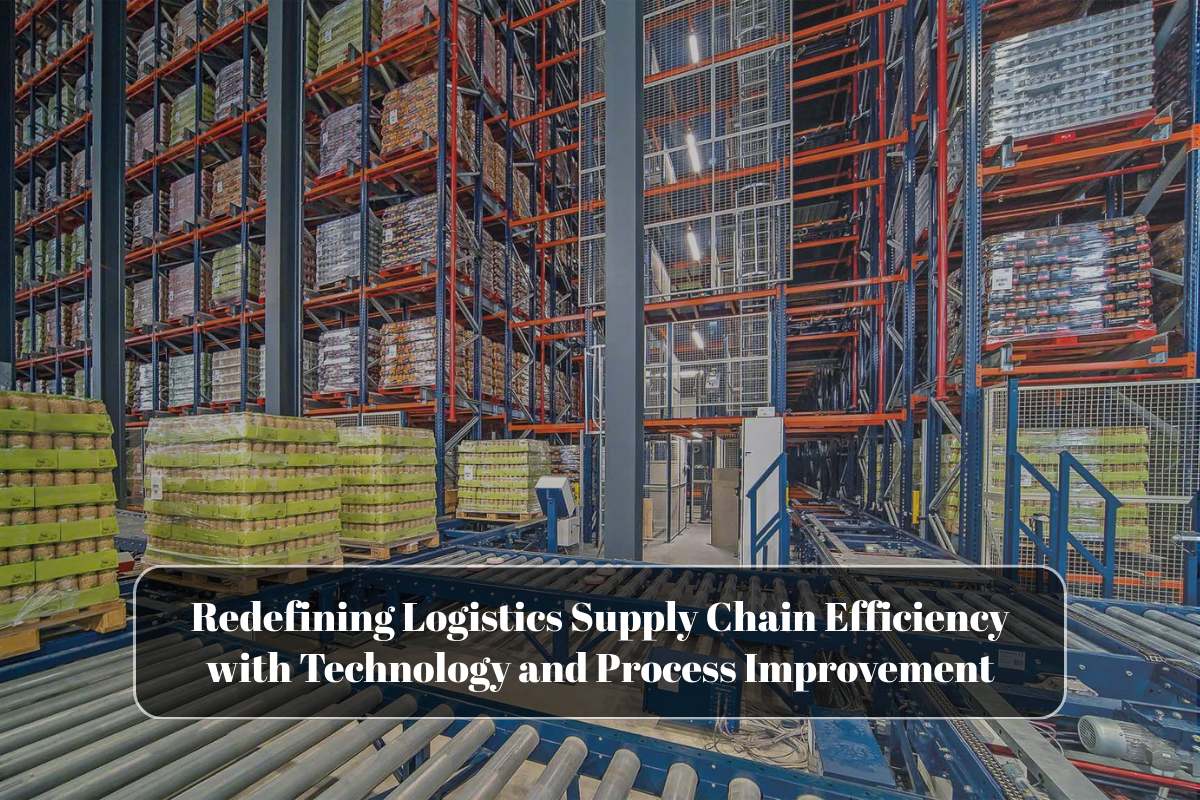
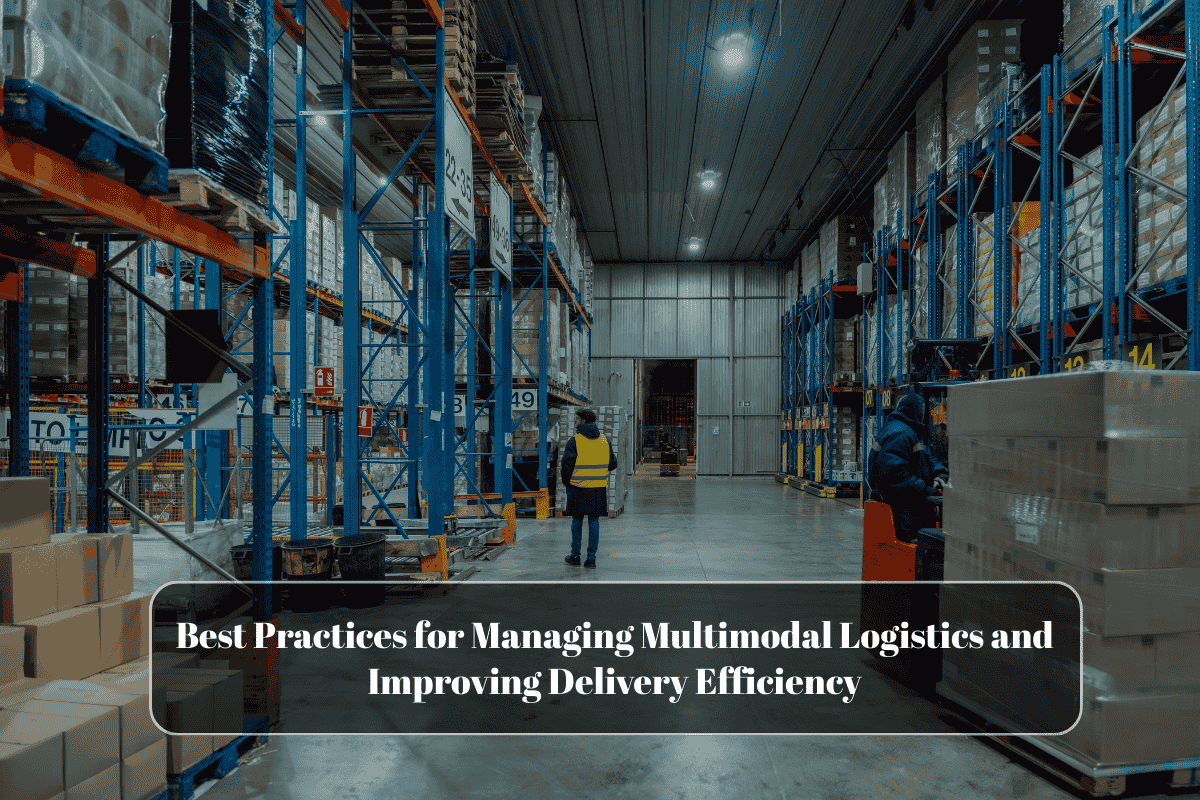
Cycle counting minimizes pick errors (down 40%), speeding cross-docks in DCs like those in Dallas-Fort Worth. Slotting by velocity cuts travel time 30%, boosting throughput to 500 lines/hour—WMS ties inventory visibility to labor efficiency. Reverse logistics for returns (15% of e-com) recycles stock swiftly.
Technology Driving Integrated Performance
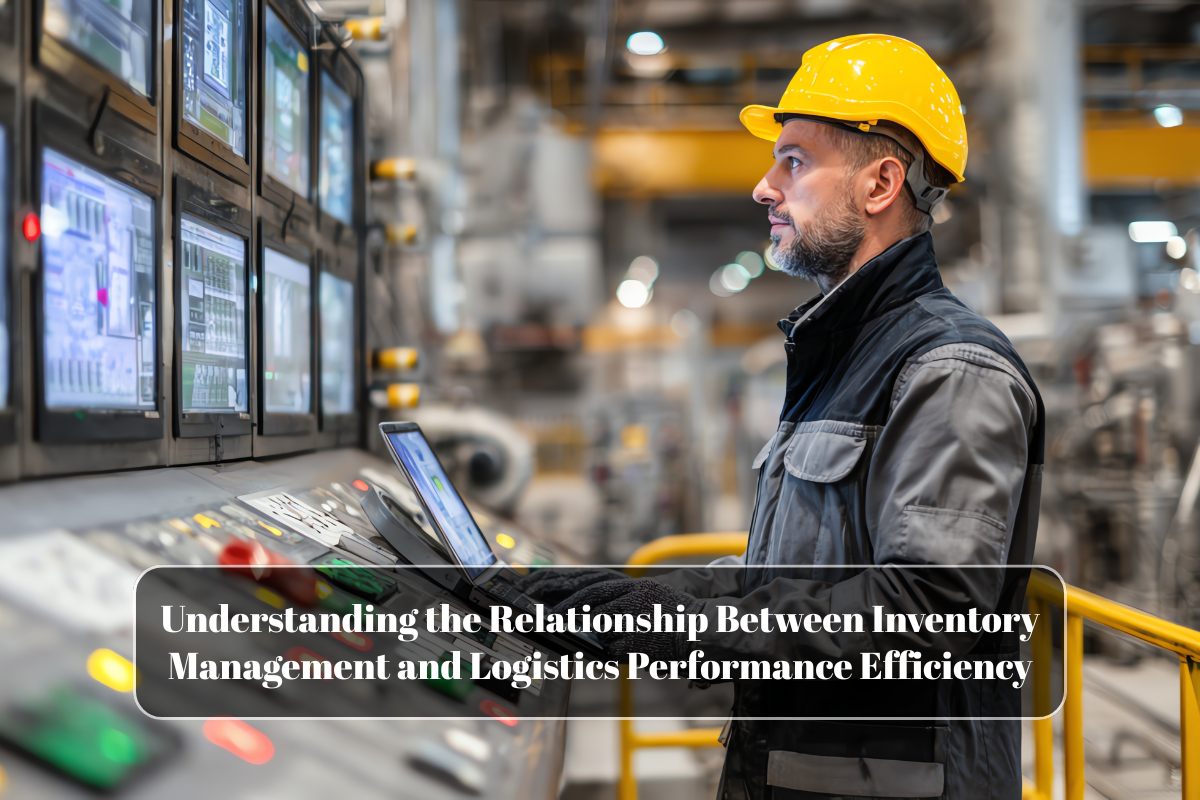
Cloud platforms like Manhattan Associates sync inventory with TMS, yielding 98% accuracy and 25% faster cycles. Predictive analytics forecast disruptions, adjusting safety stock dynamically—US adopters report 15% logistics ROI uplift. Blockchain verifies multi-tier flows, per GS1 standards.
Metrics and US Industry Benchmarks
Key KPIs: inventory turns (8-12 ideal), OTIF (95%+), and fill rates (99%). Disruptions cost $184B yearly; integrated ops recover 2x faster. E-commerce leaders like Walmart achieve 20% efficiency via vendor-managed inventory (VMI).
This relationship turns potential bottlenecks into streamlined networks, powering America’s just-in-time economy.
FAQs
1. How does JIT inventory boost logistics efficiency?
Reduces holding costs 20-30%, enables full loads, cuts miles 15% per US fleet data.
2. What is the cost of stockouts in US logistics?
8% lost sales plus expedited shipping 5x higher, totaling billions annually.
3. How do WMS/ERP systems integrate inventory-logistics?
Real-time syncing lifts accuracy 98%, throughput 25% via RFID.
4. What KPIs measure this relationship?
Inventory turns (8-12), OTIF (95%), fill rates (99%) per APICS.
5. Why does ABC analysis aid logistics?
Prioritizes fast-moving SKUs, optimizing picks and transport by velocity.