In an increasingly complex and competitive global marketplace, supply chains can no longer operate as disconnected functions. Transportation, warehousing, inventory management, and information flow must work together seamlessly to meet rising customer expectations. Integrated logistics solutions bring these elements into a unified system, enabling organizations to improve efficiency, visibility, and resilience. When logistics functions are aligned rather than siloed, overall supply chain performance becomes stronger, more predictable, and more adaptable.
Understanding Integrated Logistics Solutions
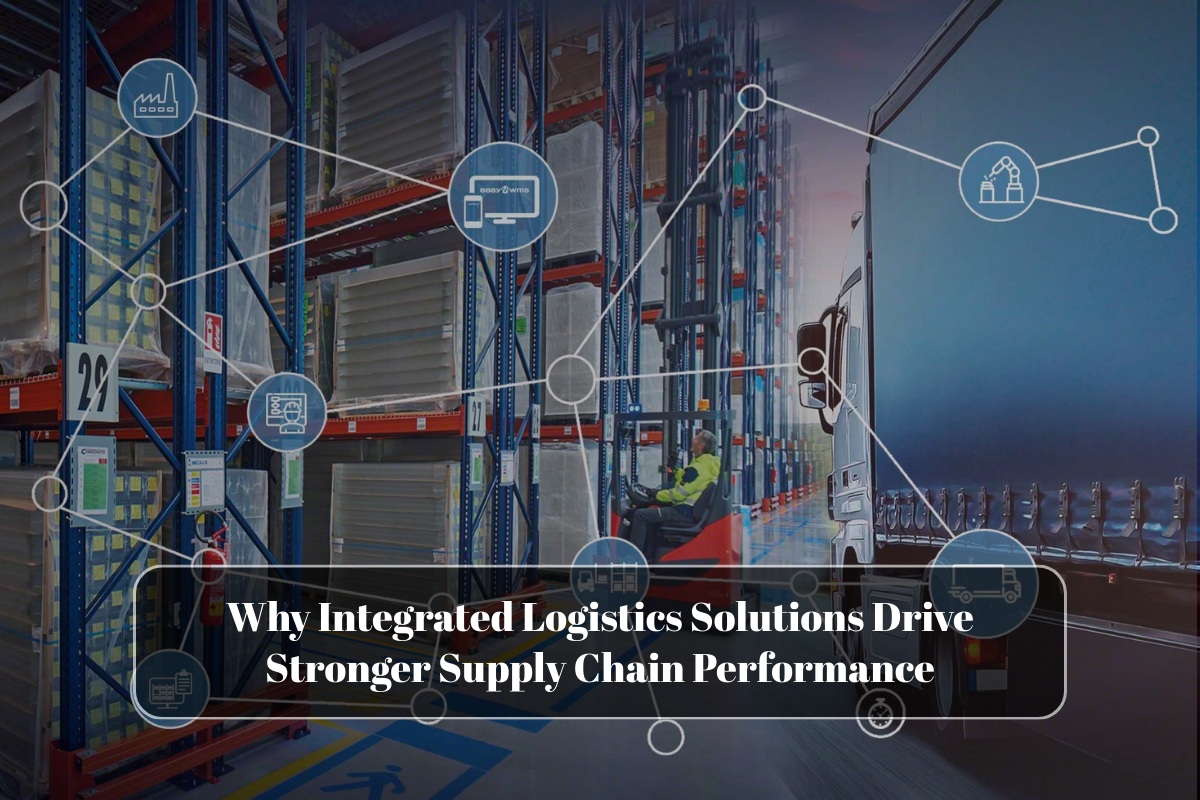
Integrated logistics solutions combine multiple logistics activities—such as transportation management, warehousing, order fulfillment, and information systems—into a coordinated framework. Instead of managing each function independently, organizations align processes, data, and decision-making across the entire logistics network.
This integration allows logistics to function as a single, connected system rather than a series of handoffs. As a result, delays, miscommunication, and inefficiencies are reduced, creating smoother end-to-end operations.
Improving Visibility Across the Supply Chain
One of the most significant advantages of integrated logistics solutions is enhanced visibility. When transportation, inventory, and warehousing systems are connected, organizations gain real-time insight into where goods are, how inventory is moving, and what disruptions may be emerging.
Improved visibility supports better decision-making. Managers can respond quickly to delays, adjust inventory levels, and communicate accurate delivery information to customers. This transparency reduces uncertainty and helps prevent small issues from escalating into major disruptions.
Enhancing Operational Efficiency
Siloed logistics functions often lead to duplicated effort, manual workarounds, and conflicting priorities. Integrated logistics solutions streamline operations by aligning workflows and eliminating unnecessary handoffs.
For example, when transportation planning is integrated with warehouse operations, shipments can be scheduled more efficiently, reducing dwell time and labor costs. Coordinated systems also enable better load consolidation, route optimization, and capacity utilization, all of which improve overall efficiency.
Reducing Costs Through Coordination
Logistics costs represent a significant portion of total supply chain expenses. Integrated solutions help reduce these costs by improving coordination across activities. Better planning and shared data minimize last-minute changes, expedited shipments, and excess inventory.
Cost savings also come from improved resource utilization. Warehouses, vehicles, and labor can be planned holistically rather than independently, ensuring that assets are used effectively across the network.
Improving Reliability and Service Levels
Reliable delivery performance depends on coordination. Integrated logistics solutions align schedules, inventory availability, and transportation execution, making it easier to meet promised delivery times.
When systems are integrated, disruptions are detected earlier and addressed faster. This reliability improves service levels, strengthens customer trust, and supports long-term relationships. Customers benefit from consistent delivery performance and accurate information, while organizations gain a reputation for dependability.
Supporting Scalability and Growth
As businesses grow, logistics complexity increases. Integrated logistics solutions provide a scalable foundation that can support higher volumes, expanded markets, and new distribution channels without proportionally increasing complexity.
Standardized processes and shared systems make it easier to onboard new partners, add facilities, or enter new regions. This scalability allows organizations to grow while maintaining control and performance consistency.
Strengthening Risk Management and Resilience
Disruptions such as supply shortages, transportation delays, and demand fluctuations are inevitable. Integrated logistics solutions enhance resilience by enabling faster coordination and response across the supply chain.
When information flows freely between logistics functions, organizations can reroute shipments, rebalance inventory, and adjust plans in real time. This agility reduces the impact of disruptions and helps maintain continuity under pressure.
Aligning Logistics With Business Strategy
Integrated logistics solutions ensure that logistics decisions support broader business objectives rather than operating in isolation. Whether the goal is cost leadership, speed to market, customer experience, or sustainability, integrated systems allow logistics to be aligned with strategic priorities.
This alignment transforms logistics from a support function into a strategic driver of competitive advantage.
FAQs
What are integrated logistics solutions?
They are coordinated systems that connect transportation, warehousing, inventory, and information flow into a unified logistics framework.
How do integrated logistics solutions improve supply chain performance?
They enhance visibility, reduce inefficiencies, improve reliability, and enable faster response to disruptions.
Why is visibility important in logistics integration?
Visibility allows real-time tracking, better planning, and proactive problem-solving across the supply chain.
Do integrated logistics solutions reduce costs?
Yes, they lower costs by improving coordination, reducing waste, and optimizing resource utilization.
Can integrated logistics support business growth?
Yes, integrated systems provide scalability and flexibility, making it easier to expand operations while maintaining performance.