Logistics flexibility equips U.S. supply chains to weather disruptions like the 2021 Suez Canal blockage (costing $9.6B/day globally) or 2024 port strikes, enabling rapid mode shifts, supplier diversification, and real-time rerouting per Freight Fox and Xeneta analyses.
Amid 2025 risks—tariffs, weather, geopolitics—flexible networks using multi-modal transport (rail/road/air/water) cut delays 30-50%, with firms like Unilever maintaining flow via regional warehousing. FEMA leverages this for disasters, proving adaptability saves billions in losses annually.
Understanding Supply Chain Vulnerabilities
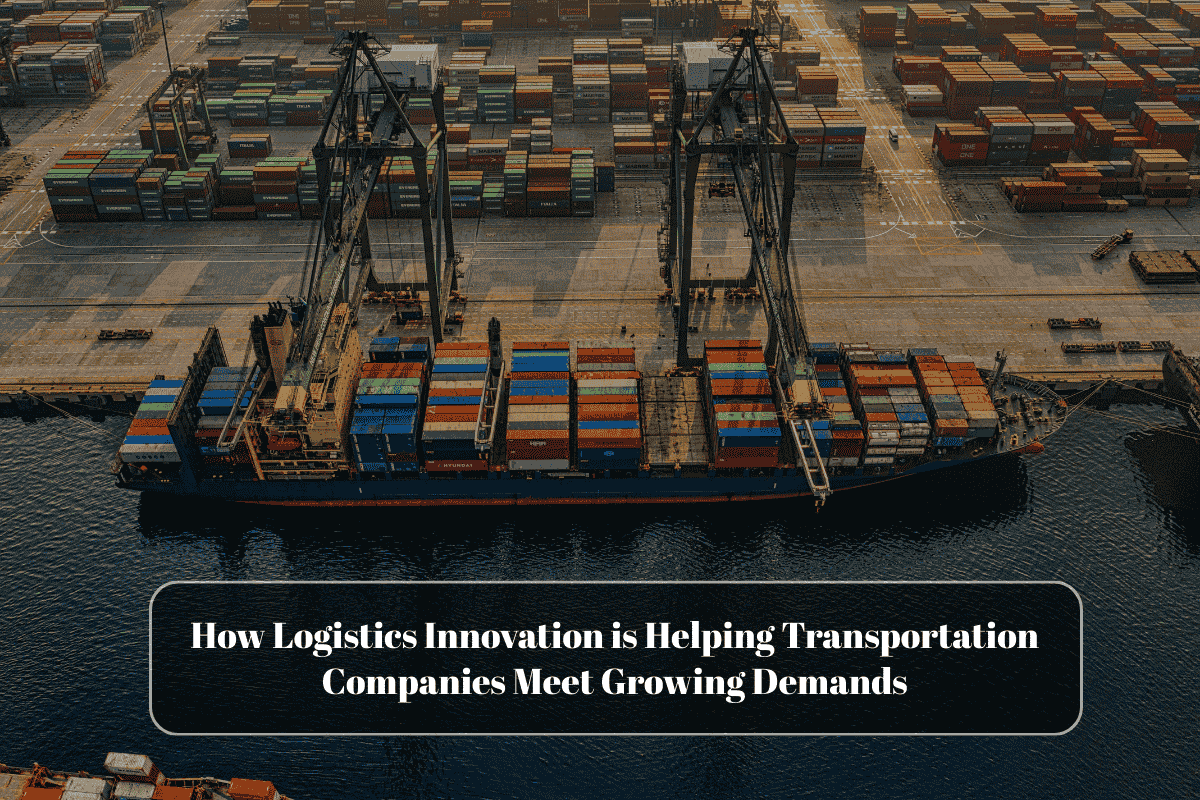
Disruptions cascade: Suez halted 12% global trade; COVID port congestion/Labor shortages delayed 20% U.S. imports. 2025 threats include tariffs reshuffling priorities (McKinsey), extreme weather (Extensiv), and equipment failures. Rigid chains amplify: single suppliers fail 40% more per KPMG. Flexibility—diversified routes, elastic capacity—mitigates via nearshoring (Tesla localizing) and AI forecasting.
Multi-Modal Logistics as Resilience Core
Blend modes: rail/water for bulk (40% underutilized U.S. waterways), trucks middle-mile flexibility, air premiums. Uber Freight’s on-demand scales fleets; Zara’s AI adjusts real-time. Regional hubs (East/West Coast + Midwest) buffer port chokepoints, optimizing costs/emissions. Multimodal grows to $600B by 2033, per reports.
FEMA’s NRF coordinates private logistics for commodities, proving hybrid efficacy.
Diversification and Nearshoring Strategies
Shift from China: Mexico/Vietnam suppliers reduce lead times 50%. Unilever’s risk-assessed diversification bypassed Suez. Small-batch LCL avoids full containers; sensor tech enables rerouting. Control towers monitor threats 24/7.
Technology for Dynamic Adaptation
AI/control towers predict via real-time data; elastic networks contract/expand demand-based. SAP recommends scenario planning; Noggin playbooks for disruptions. Blockchain tracks provenance, cutting fraud 30%.
| Strategy | Example | Impact |
|---|---|---|
| Multi-Modal | Rail+truck hubs | 30-50% delay cut |
| Nearshoring | Tesla localization | Risk reduction |
| Diversification | Unilever suppliers | Suez bypass |
| Tech | AI control towers | Proactive rerouting |
FEMA and Disaster Lessons
FEMA’s Logistics Management Center sources via NRF, contracting private multimodal for urgency. Post-Suez, humanitarian chains emphasize flexibility—adaptive relief outperforms fixed fleets.
Implementation Roadmap
Assess vulnerabilities quarterly; pilot multi-modal pilots; train on control towers. Measure: on-time delivery >95%, cost variance <5%.
Future Outlook
2025 tariffs/climate demand hyper-flexible chains; multimodal unlocks rail/water spare capacity (65%/40% utilized).
FAQs
1. Suez impact?
$9.6B/day; flexibility bypassed via diversification.
2. Multi-modal benefits?
Risk spread, cost optimization to $600B market.
3. Nearshoring ROI?
50% lead time cut, resilience gains.
4. FEMA’s role?
Private logistics coordination via NRF.
5. Tech essentials?
AI towers, sensors for real-time pivots.