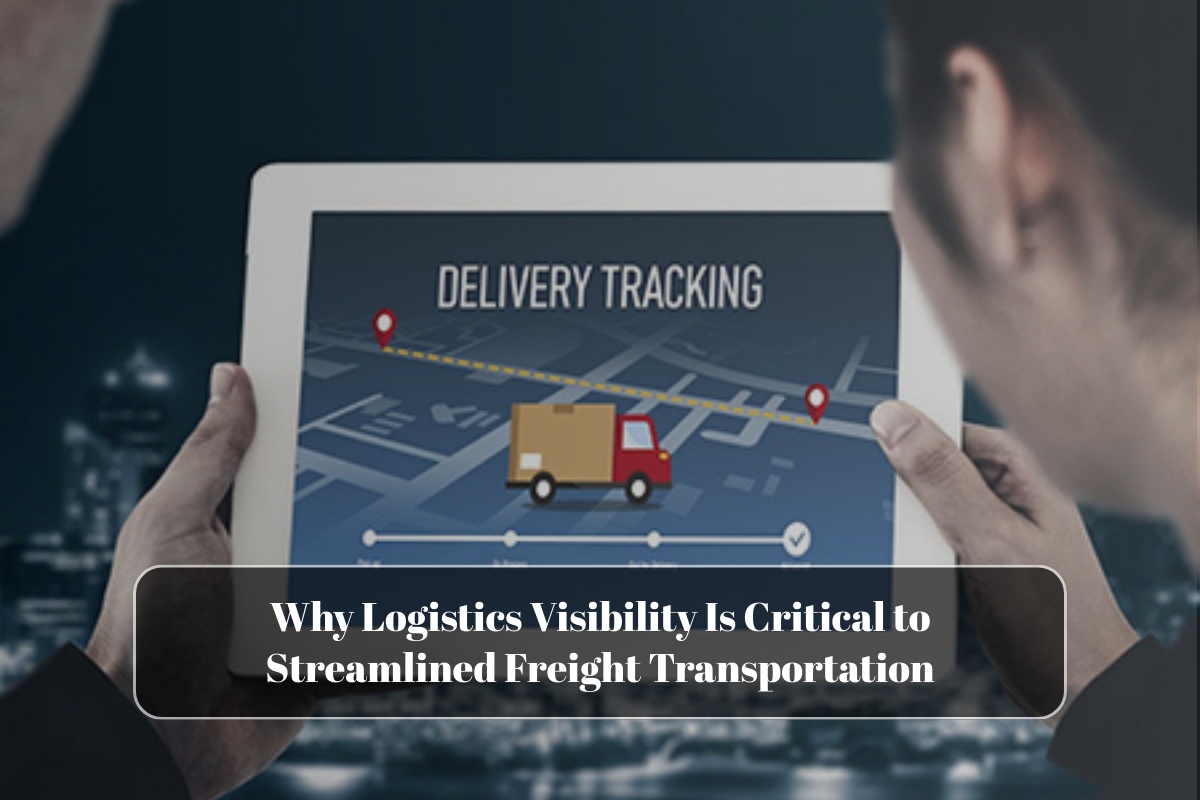
In modern freight transportation, speed and scale alone are no longer enough to ensure efficiency. As supply chains become more complex and customer expectations rise, logistics visibility has emerged as a critical factor in streamlining freight operations. Visibility provides real-time insight into where shipments are, how systems are performing, and where potential disruptions may occur. Without it, freight transportation becomes reactive, inefficient, and costly.
Understanding Logistics Visibility
Logistics visibility refers to the ability to track, monitor, and analyze freight movements, assets, and operational processes across the transportation network in real time or near real time. This includes shipment location, transit status, estimated arrival times, inventory levels, and potential delays.
Visibility connects data from vehicles, warehouses, carriers, and systems into a unified view. This shared awareness allows stakeholders to make informed decisions quickly and confidently.
Reducing Delays and Operational Bottlenecks
One of the primary benefits of logistics visibility is the ability to identify and address delays before they escalate. Without visibility, issues such as traffic congestion, equipment failure, or missed handoffs may go unnoticed until delivery windows are missed.
With real-time insight, transportation teams can reroute shipments, adjust schedules, or deploy backup resources proactively. This responsiveness reduces downtime, prevents bottlenecks, and keeps freight moving smoothly across the network.
Improving Planning and Resource Utilization
Streamlined freight transportation depends on accurate planning. Visibility provides historical and real-time data that supports better forecasting, capacity planning, and asset utilization.
When organizations understand transit times, dwell periods, and performance patterns, they can optimize routes, balance loads, and reduce empty miles. Improved planning leads to lower fuel costs, better fleet usage, and more consistent service levels.
Enhancing Communication and Coordination
Freight transportation involves multiple parties, including shippers, carriers, warehouses, and customers. Without shared visibility, communication often relies on manual updates and fragmented information, increasing the risk of errors and misalignment.
Visibility platforms create a single source of truth that all stakeholders can access. This transparency improves coordination, reduces misunderstandings, and ensures everyone operates with the same expectations and data.
Strengthening Customer Experience and Trust
From the customer’s perspective, visibility is directly tied to reliability. Customers expect accurate delivery timelines, proactive notifications, and the ability to track shipments independently.
When customers have visibility into freight movements, uncertainty decreases. Even when disruptions occur, timely updates and clear explanations help preserve trust. Consistent visibility strengthens relationships and increases customer confidence in transportation providers.
Supporting Risk Management and Resilience
Freight transportation is exposed to a wide range of risks, including weather events, labor disruptions, geopolitical issues, and equipment failures. Visibility enables early detection of these risks and supports faster response.
By monitoring conditions in real time, organizations can activate contingency plans and minimize downstream impact. This resilience is essential for maintaining service continuity in an unpredictable operating environment.
Driving Cost Control and Efficiency
Lack of visibility often leads to hidden costs such as detention fees, expedited shipping, excess inventory, and manual labor. When freight status is unclear, organizations compensate with buffers and reactive spending.
Visibility reduces these inefficiencies by enabling precise decision-making. Accurate tracking and performance insights help eliminate waste, control costs, and improve overall transportation efficiency.
Enabling Data-Driven Performance Improvement
Visibility is not only about real-time tracking—it also generates valuable data for continuous improvement. Performance metrics such as on-time delivery, carrier reliability, and transit variability become measurable and actionable.
Organizations can use this data to refine processes, negotiate better contracts, and invest in targeted improvements. Over time, visibility supports smarter strategies and sustained operational excellence.
Technology as the Foundation of Visibility
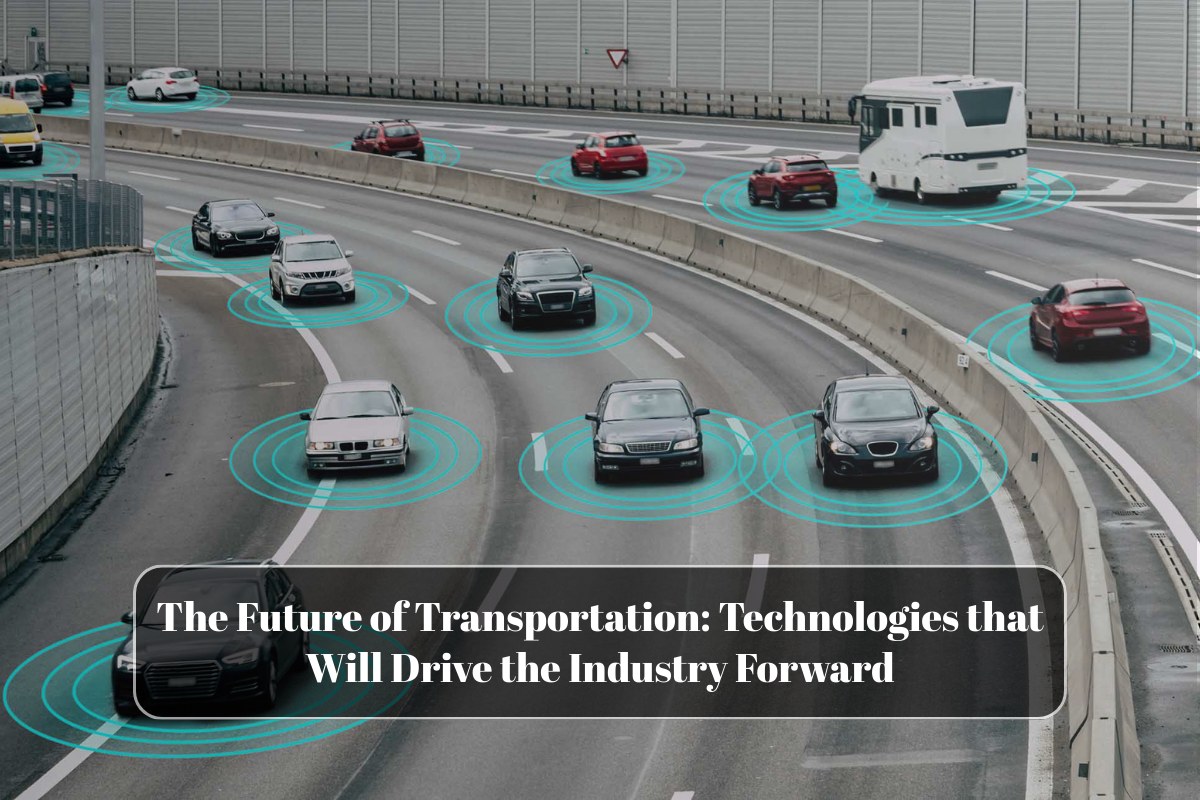
Advanced technologies such as GPS tracking, telematics, cloud platforms, and data analytics underpin modern logistics visibility. Integration across systems ensures that data flows seamlessly rather than remaining siloed.
As technology evolves, visibility tools are becoming more predictive, offering insights into potential disruptions before they occur. This evolution further enhances the ability to streamline freight transportation.
Visibility as a Strategic Advantage
Logistics visibility is no longer optional—it is a strategic requirement for efficient freight transportation. Organizations that lack visibility operate reactively, while those with strong visibility operate proactively and competitively.
By improving coordination, reducing delays, controlling costs, and strengthening customer trust, logistics visibility transforms freight transportation from a complex challenge into a streamlined, resilient operation.
FAQs
What is logistics visibility in freight transportation?
It is the ability to track and monitor shipments, assets, and operations in real time across the transportation network.
How does logistics visibility reduce delays?
It allows early detection of issues and enables proactive adjustments such as rerouting or rescheduling.
Why do customers value logistics visibility?
Visibility provides transparency, accurate delivery information, and proactive communication, which builds trust.
Does logistics visibility help control transportation costs?
Yes. It reduces inefficiencies, prevents unnecessary fees, and supports better planning and utilization.
Is logistics visibility important for small freight operations?
Absolutely. Even small operators benefit from improved coordination, reliability, and customer satisfaction through visibility.